
Favorite Demolition Service Products For Heavy-Duty Tasks
Choose from trusted tools and machinery built to tackle tough demolition challenges with ease and precision.
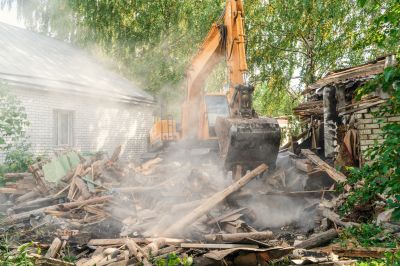 Demolition projects in Denham Springs, LA, require a variety of specialized tools and equipment to ensure efficiency and safety. From small-scale interior demolitions to large structural removals, having the right products can make the process smoother and more manageable. Selecting appropriate demolition tools depends on the scope of the project, material types involved, and safety considerations. Proper equipment not only enhances productivity but also helps mitigate potential hazards associated with demolition activities.
Top Overall Option
Heavy-Duty Demolition Hammer
A versatile and powerful demolition hammer is an essential tool for breaking through concrete, brick, and other tough materials. Designed for durability and ease of use, it often features adjustable settings to suit different tasks and material hardness. When selecting a demolition hammer, consider weight, vibration control, and power source compatibility to ensure it meets your project needs.
Types of Products For Demolition Service
Jackhammers
Portable pneumatic or electric tools used for breaking concrete and asphalt, ideal for large-scale demolition sites.
Sledgehammers
Hand tools with heavy heads used for manual demolition tasks, such as breaking walls or removing debris.
Crowbars and Pry Bars
Hand tools designed for prying apart materials and removing nails or fasteners.
Reciprocating Saws
Power saws equipped with demolition blades suitable for cutting through wood, metal, and drywall.
Demolition Saws
Heavy-duty saws like cutoff or abrasive saws used for precise cuts in concrete or steel.
Hydraulic Breakers
Powered attachments that deliver high-impact force for breaking large concrete structures.
Concrete Crushers
Machines designed to crush and reduce concrete debris during demolition.
Dust Extraction Systems
Equipment to control dust and debris generated during demolition activities.
Safety Gear
Protective equipment including helmets, goggles, gloves, and respirators essential for safe operation.
Vibration Dampening Gloves
Specialized gloves designed to reduce hand fatigue and vibration exposure during heavy use.
Portable Generators
Power sources providing electricity for electric demolition tools in remote locations.
Wheelbarrows and Debris Carts
Tools for transporting debris efficiently around the site.
Industrial Vacuum Systems
Heavy-duty vacuums designed for cleaning up dust and small debris during demolition.
Scaffolding and Ladders
Support structures that provide safe access to elevated demolition areas.
Concrete and Masonry Blades
Specialized blades for saws used to cut through concrete, brick, and stone.
Hydraulic Power Units
Machines that power hydraulic tools and attachments for heavy-duty demolition work.
Popular Choices
Widely used for their portability and ease of operation in various demolition tasks.
Common hand tools favored for their simplicity and effectiveness in prying and demolition.
Versatile saws popular for cutting through different materials during demolition projects.
Preferred for their power and efficiency in breaking large concrete or asphalt structures.
Trending for their role in maintaining cleaner work environments during demolition.
Essential safety gear widely used to protect workers during demolition activities.
Popular for reducing large concrete pieces on-site for easier disposal or reuse.
Increasingly favored for comfort and safety during extended demolition tasks.
Chosen for their precision and power in cutting through tough materials.
Commonly used for their reliability and ease of maintenance in demolition work.
Popular for efficient debris removal on busy demolition sites.
Favored for cleaning up fine dust and small debris during demolition projects.
Widely used for providing safe access to elevated work areas.
Popular for their durability and effectiveness in cutting through various materials.
Trusted for powering heavy hydraulic tools used in large demolition projects.
Understanding the different types of demolition products available is essential for contractors and DIY enthusiasts alike. Heavy-duty tools such as jackhammers and sledgehammers are fundamental for breaking through concrete and masonry, while smaller hand tools like pry bars and chisels are useful for more detailed work. Safety gear, including helmets, gloves, and eye protection, is equally important to protect workers from debris and accidental injuries. Proper planning and the right equipment can significantly impact the success and safety of any demolition project.
In addition to hand tools and safety equipment, powered machinery such as demolition saws, hydraulic breakers, and compactors are often necessary for larger projects. These machines help expedite the process and handle tougher materials more effectively. When selecting demolition products, it is crucial to consider compatibility with existing equipment, ease of use, and maintenance requirements. Investing in high-quality, durable tools can result in better performance and longer service life, ultimately contributing to more efficient project completion.
Whether undertaking a residential, commercial, or industrial demolition, understanding your project needs and choosing appropriate products is key. Properly equipped, demolition teams can work more safely, efficiently, and effectively, ensuring that the project progresses smoothly from start to finish.
Key Buying Considerations
- Project scale and scope to determine the appropriate size and power of tools needed.
- Material types involved, such as concrete, brick, or metal, to select compatible tools and blades.
- Safety features like vibration control, ergonomic design, and safety guards.
- Power source preferences, including electric, pneumatic, or hydraulic options.
- Durability and build quality to withstand demanding demolition conditions.
- Ease of use and comfort, especially if tools will be used for extended periods.
- Maintenance requirements and availability of replacement parts.
- Weight and portability for ease of maneuvering on-site.
- Compatibility with existing equipment and accessories.
- Budget constraints without compromising essential safety and performance features.
- Noise levels, especially for projects in noise-sensitive environments.
- Availability of technical support and warranty services.
- Environmental considerations, such as dust control and debris management.
- Regulatory compliance and safety standards adherence.
- Storage and transportation logistics for larger equipment.