
Optimal Timing for Demolition Services
Timing for demolition services depends on various factors including weather conditions, project scope, and local regulations. Optimal periods typically avoid extreme temperatures and heavy rainfall to ensure safety and efficiency. Planning during moderate weather conditions can reduce delays and complications.
Demolition projects are best scheduled during dry, mild weather to prevent delays caused by rain or extreme heat.
Ensure all permits are obtained and site preparations are complete before scheduling demolition.
Spring and fall often provide favorable weather conditions for demolition work.
Coordinate with local authorities to identify permissible times for demolition activities.
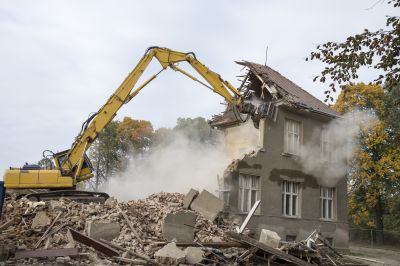
Heavy machinery preparing a site for demolition.

Workers clearing the area before demolition begins.
Explosive demolition techniques used safely and precisely.
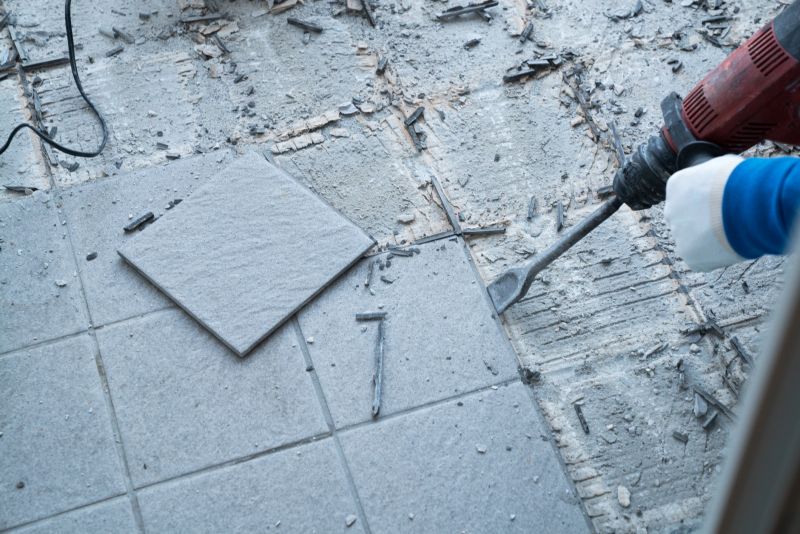
Ways to make Demolition Service work in tight or awkward layouts.
Popular materials for Demolition Service and why they hold up over time.
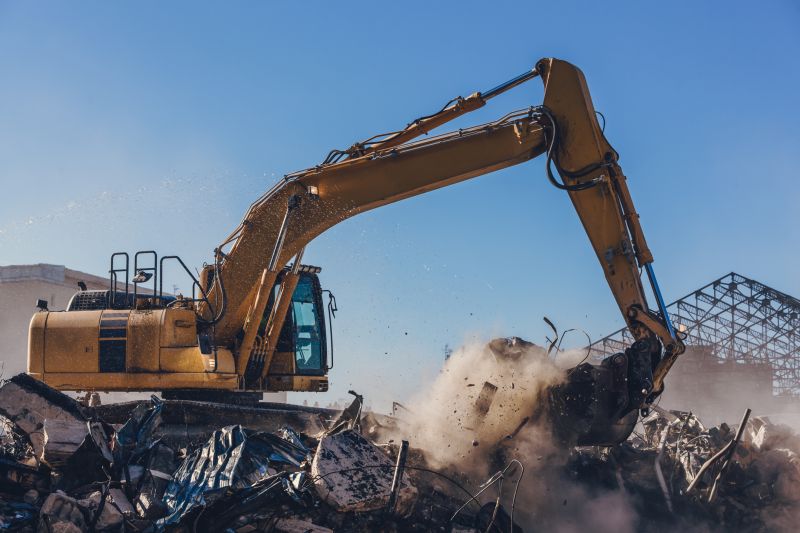
Simple add-ons that improve Demolition Service without blowing the budget.

High-end options that actually feel worth it for Demolition Service.

Finishes and colors that play nicely with Demolition Service.
| Factor | Impact on Demolition Timing |
|---|---|
| Weather Conditions | Dry, mild weather reduces delays and safety risks. |
| Permits and Regulations | Scheduling after approvals ensures compliance. |
| Project Scope | Larger projects may require longer planning periods. |
| Seasonal Trends | Spring and fall are often optimal. |
| Local Climate | Louisiana's hurricane season influences scheduling. |
Demolition services encompass a range of methods including selective dismantling, total destruction, and controlled explosions. These processes require careful planning and execution to ensure safety, efficiency, and minimal disruption to surrounding areas. Modern demolition techniques utilize advanced machinery and safety protocols to handle structures of various sizes and complexities.
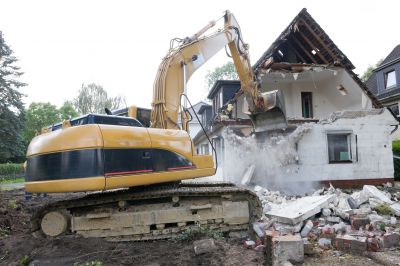
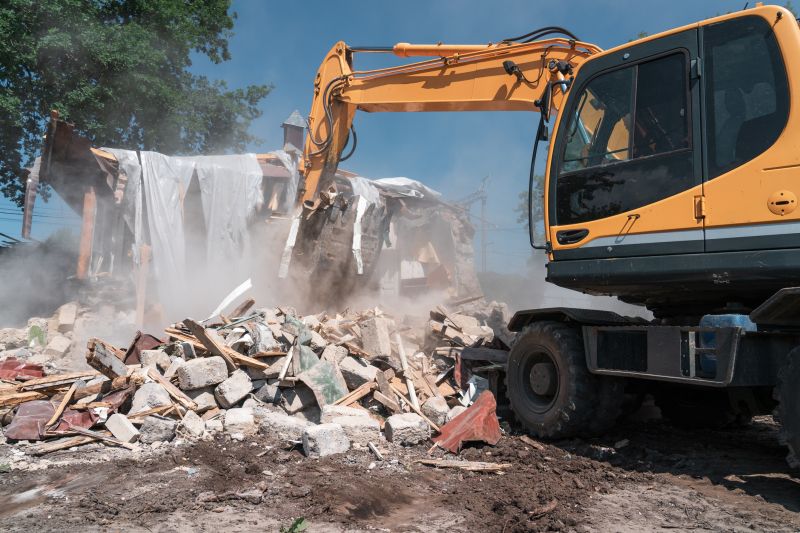
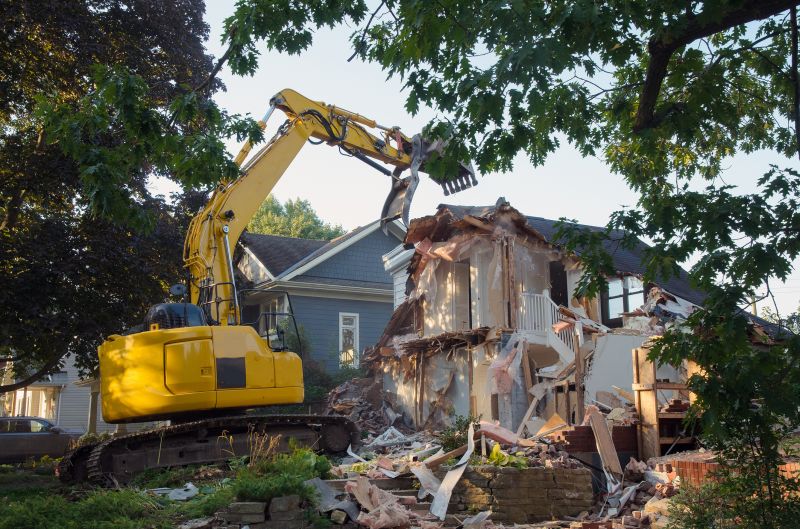
An excavator demolishing a building.
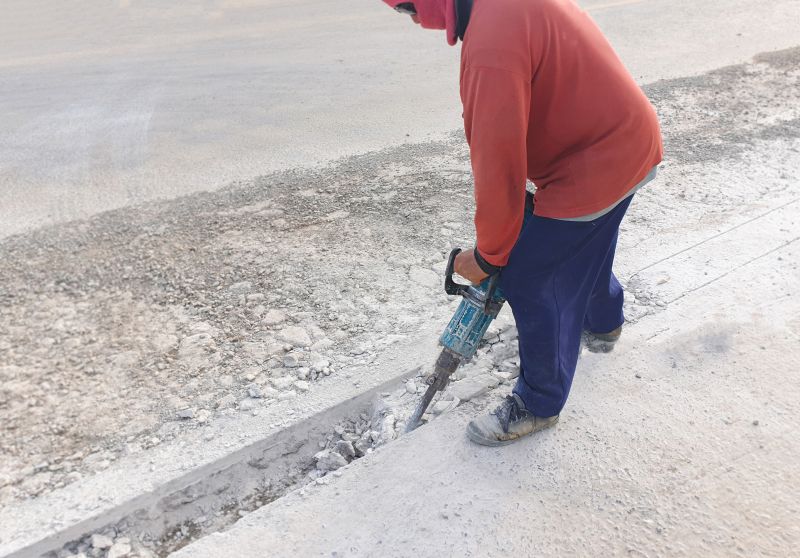
Workers using safety gear during demolition.
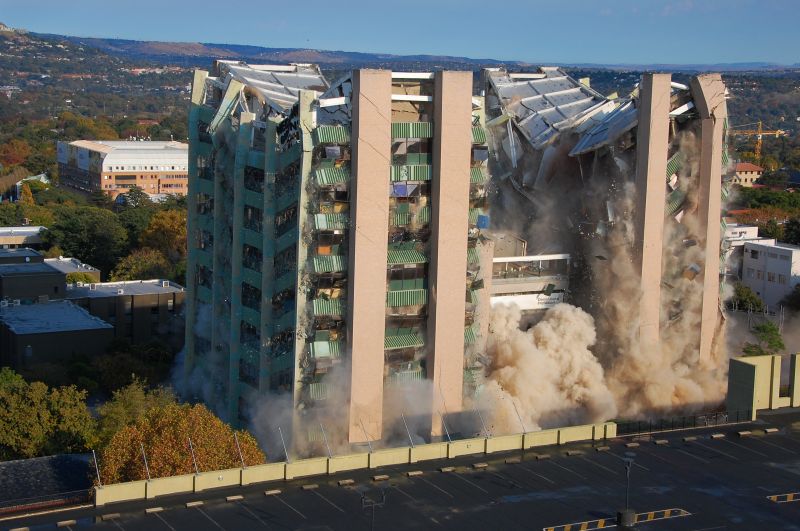
Controlled collapse of a building for demolition.

Efficient cleanup after demolition.
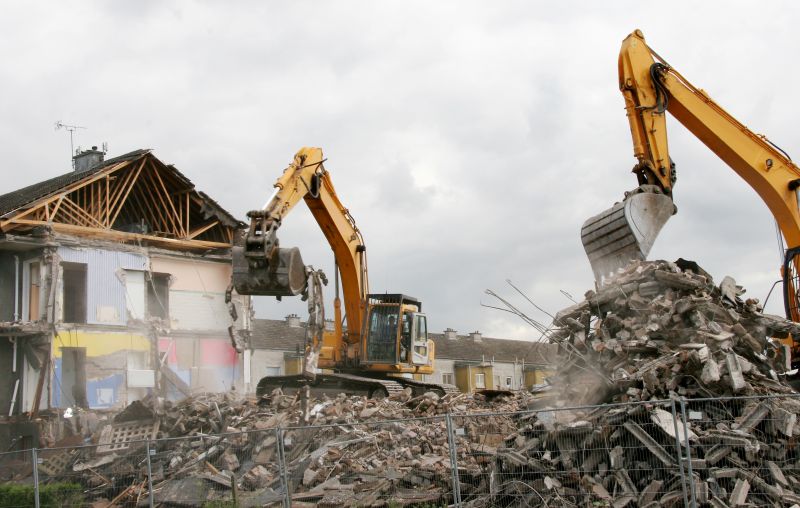
Preparing machinery for demolition tasks.
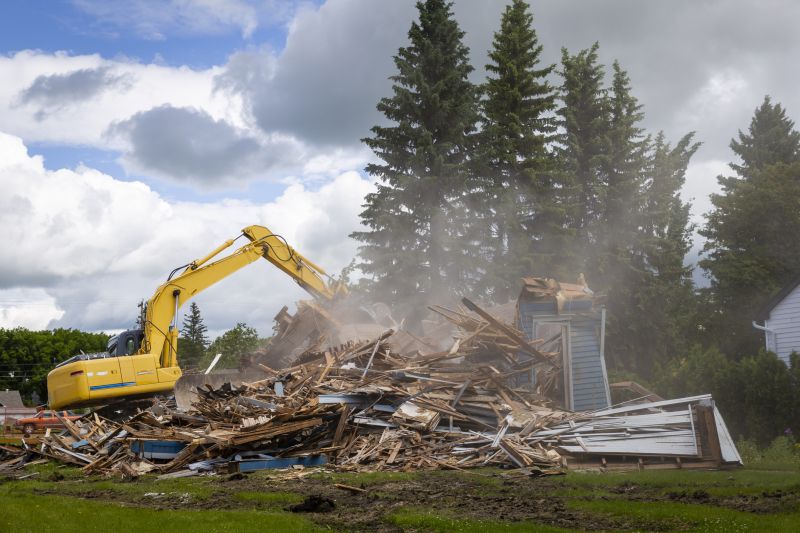
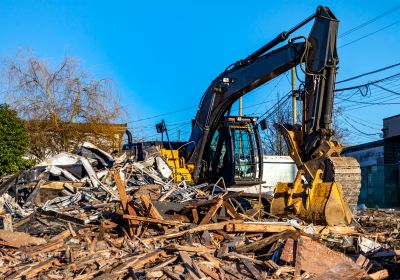
Clearing debris to prepare for new construction.
Choosing the right time for demolition can significantly impact project costs and timelines. Proper planning ensures compliance with local regulations and minimizes environmental and safety risks. Understanding seasonal patterns and weather forecasts can help schedule demolition activities during the most suitable periods.
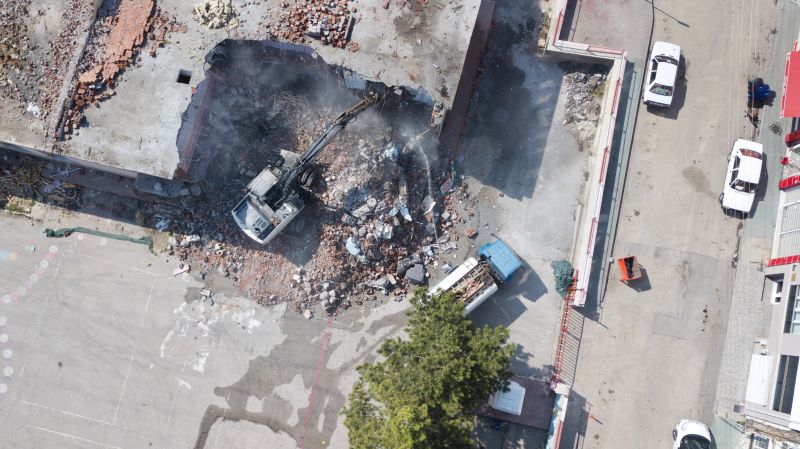
Site assessment and preparation.
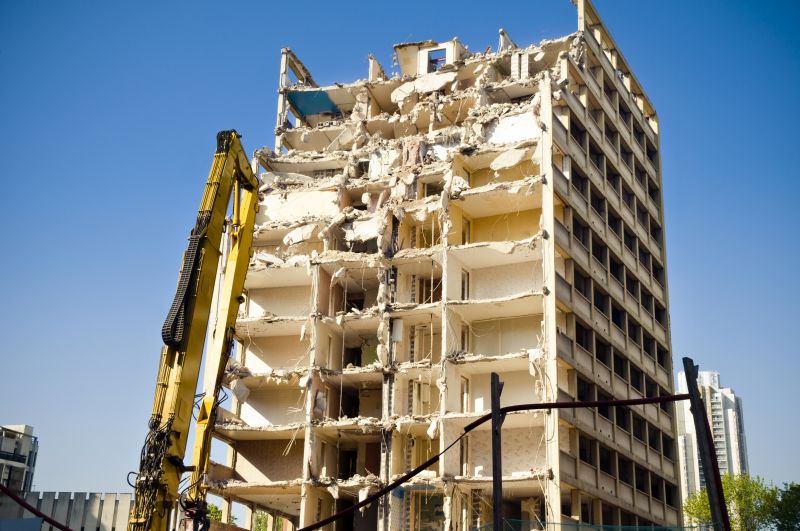
Demolition equipment ready for operation.
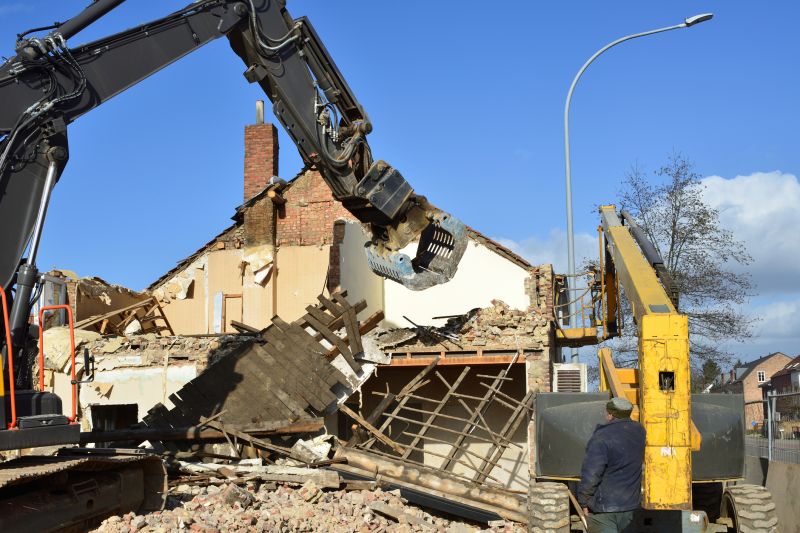
Precision demolition using explosives.

Removing debris and preparing the site.

Little measurements that prevent headaches on Demolition Service day.

A 60-second routine that keeps Demolition Service looking new.
A frequent mistake in Demolition Service and how to dodge it.

Small tweaks to make Demolition Service safer and easier to use.
Interested parties are encouraged to contact for detailed information about scheduling and executing demolition projects. Proper timing ensures safety, efficiency, and adherence to local regulations, making it a critical aspect of successful demolition services.